





The History of the International Cricket Council (ICC): From Imperial Origins to Global Governance
Introduction
Cricket, often described as a gentleman’s game, needed an international body to manage its global growth—and thus the International Cricket Council (ICC) was born. From humble beginnings in the early 20th century to becoming the sport’s most powerful global authority, the history of the International Cricket Council is a story of evolution, diplomacy, and revolution in sport.
Founding Years: The Imperial Cricket Conference (1909)
The ICC was originally established as the Imperial Cricket Conference in 1909 by representatives from England, Australia, and South Africa. The aim was to regulate and organize Test cricket among the British Empire nations.
- Headquarters: Initially based at Lord’s Cricket Ground, London
- Membership: Initially exclusive to countries within the British Empire
- First major task: Schedule and formalize Test tours among member nations
Expansion and Inclusion (1965–1989)
In 1965, the name was changed to the International Cricket Conference to reflect the growing influence of non-Commonwealth countries.
- India, Pakistan, West Indies, and New Zealand became key members.
- New associate nations like Sri Lanka began rising in prominence.
- ODI cricket gained traction, leading to the first Cricket World Cup in 1975.
The ICC slowly began transforming from an elite club to a structured organization overseeing multiple formats.
Becoming the International Cricket Council (1989)
In 1989, the body was renamed the International Cricket Council to further formalize its global status.
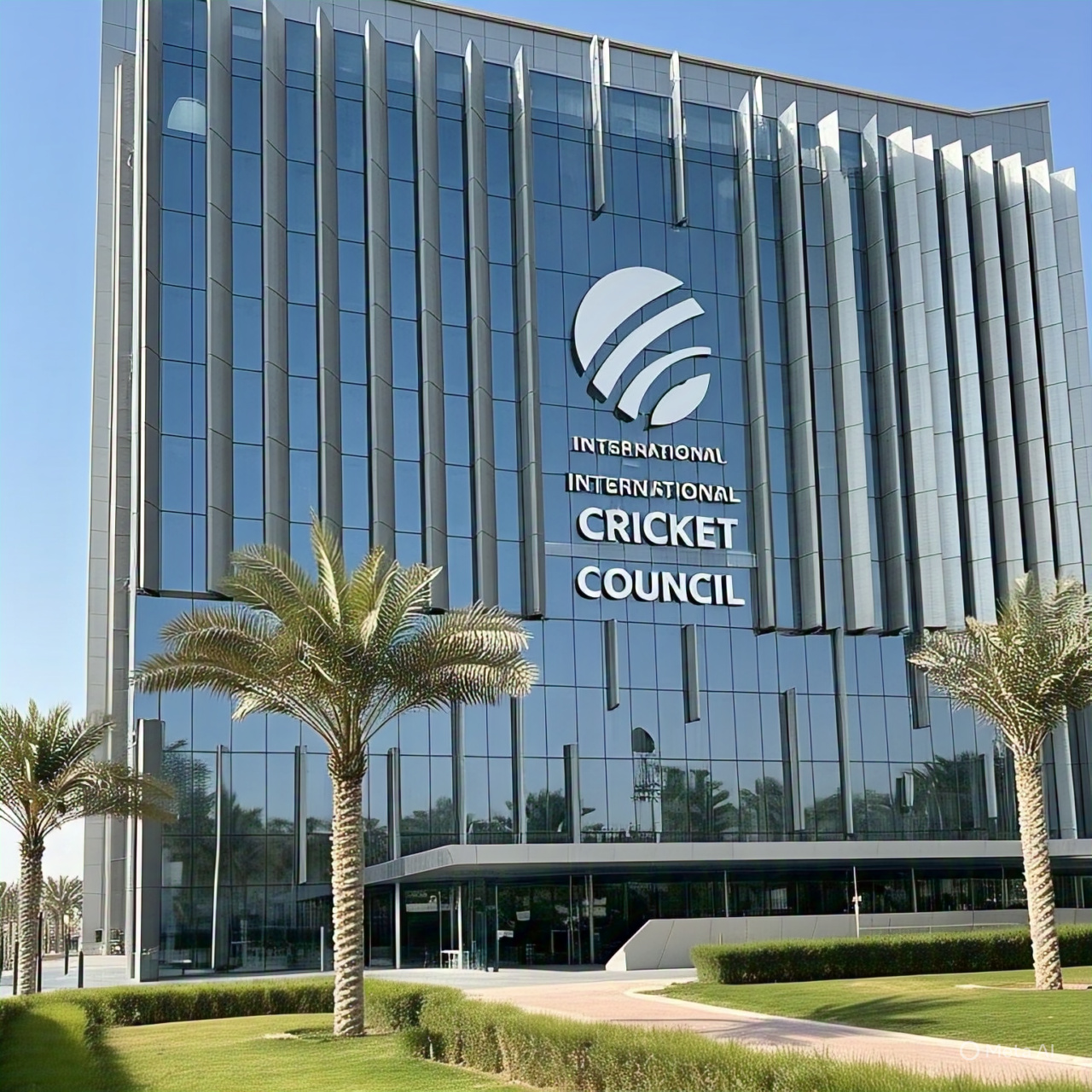
- The shift brought in professional administration, financial planning, and a permanent office (now in Dubai, UAE).
- Introduced neutral umpires, match referees, and standardized rules for ODIs and Tests.
- Gave birth to flagship tournaments like:
- ICC Cricket World Cup
- ICC T20 World Cup
- ICC Champions Trophy
- World Test Championship
Modern Era: A Powerhouse in Global Sport
Today, the ICC oversees:
- 12 Full Members (Test-playing nations)
- 90+ Associate Members
- Events broadcast in over 180 countries
- Billion-dollar broadcast and sponsorship deals
The ICC also manages:
- Anti-corruption efforts (ACU)
- Global rankings and umpiring panels
- Growth of women’s and youth cricket
Challenges and Criticism
Despite its success, the ICC has faced controversies:
- Big Three Model (India, England, Australia) power concentration
- Debates on neutral venues and political interference
- Handling of match-fixing scandals
Yet, it continues to evolve and address challenges as cricket grows globally.
Conclusion: A Century of Global Cricket Governance
From colonial roots to a multi-billion-dollar sporting body, the history of the International Cricket Council is a testament to how tradition can meet transformation. As cricket expands to new frontiers, the ICC remains its compass, guiding the sport into an exciting, inclusive, and digital future.