


🏏 A Proud Legacy: The History of Sri Lanka Cricket
Cricket in Sri Lanka is more than just a sport—it’s a national passion that unites the island. From colonial beginnings to world champions, the journey of Sri Lanka Cricket is a story of resilience, flair, and unforgettable moments.
🕰️ Origins: The Colonial Roots
Cricket was introduced to Sri Lanka (then Ceylon) during British colonial rule in the early 19th century. The first recorded cricket match was played in 1832, and the Colombo Cricket Club was formed in 1863, making it one of the oldest cricket clubs outside the UK.
Initially, the game was played by British soldiers, civil servants, and the elite, but it soon spread across the country, particularly through schools. Institutions like Royal College, St. Thomas’ College, and Trinity College played a key role in nurturing young talent.
🏛️ The Rise of a Cricketing Nation
Sri Lanka became an Associate Member of the International Cricket Council (ICC) in 1965, marking its intent to become a force in world cricket. The island nation played its first unofficial Test against England in 1927 but had to wait until the early 1980s for full recognition.
🎓 Full ICC Membership – 1981
Sri Lanka was granted Full Member status in 1981, becoming the eighth Test-playing nation. Their inaugural Test match was played against England at Colombo’s P. Sara Oval in February 1982. Although they lost, it was the beginning of something special.
🏆 The Golden Era – 1996 World Cup Triumph
Arguably the most iconic chapter in Sri Lanka’s cricket history came in 1996, when they won the ICC Cricket World Cup under the leadership of Arjuna Ranatunga. With aggressive openers like Sanath Jayasuriya and Romesh Kaluwitharana revolutionizing one-day cricket, and a brilliant team effort, they defeated Australia in the final in Lahore.
This victory catapulted Sri Lanka onto the world stage and inspired a generation of cricketers.
🌟 Modern Legends and Milestones
The late 1990s and 2000s saw the rise of legendary players:
- Muttiah Muralitharan – the highest wicket-taker in Test and ODI history.
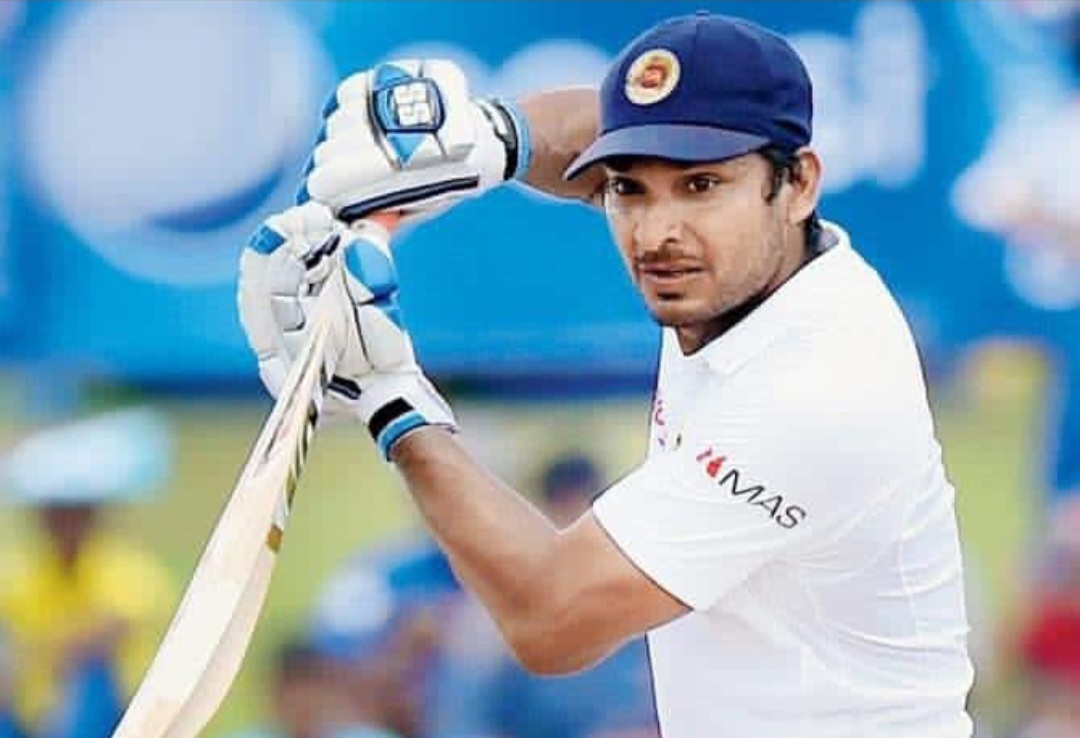
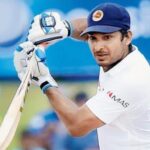
- Kumar Sangakkara – one of the greatest wicketkeeper-batsmen ever.
- Mahela Jayawardene – a stylish and dependable middle-order rock.
- Lasith Malinga – a master of death bowling with his signature slinging action.
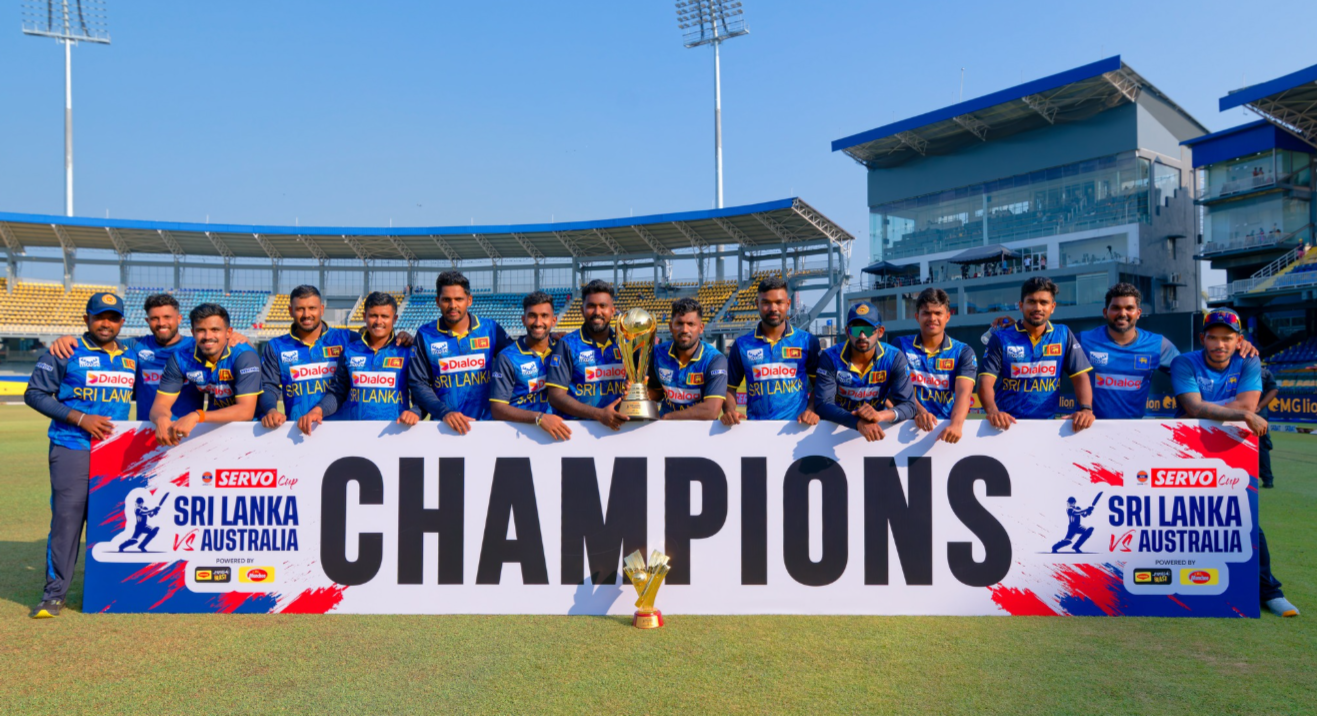
Sri Lanka reached the finals of the 2007 and 2011 World Cups and won the ICC T20 World Cup in 2014, adding another feather to their cap.
🔄 Transition and Challenges
The mid-2010s onwards saw a period of transition as many greats retired. The team struggled with consistency, leadership changes, and the challenge of building a new core. However, young talents like Kusal Mendis, Wanindu Hasaranga, and Charith Asalanka have shown promise for the future.
🇱🇰 Cricket and Culture
Cricket is woven into the social fabric of Sri Lanka. From schoolboy matches like the Royal-Thomian “Big Match” to packed stadiums during international games, the sport ignites nationwide excitement. It has also served as a unifying force during times of political and economic turmoil.
🏁 Looking Ahead
Sri Lanka Cricket continues to rebuild with a focus on youth and domestic infrastructure. With a rich legacy, passionate fanbase, and abundant talent, the island nation remains a formidable presence on the cricketing map.
Fun Fact: Sri Lanka is the only country to win an ICC trophy on all three continents where the tournaments have been hosted – Asia (1996), Africa (2002 Champions Trophy shared), and Europe (2014 T20 World Cup in Bangladesh).